

Welcome, friend!
Cultivating Healers® is a space for clinicians and healers seeking to build anti-racist, sustainable, and inclusive practices.
Get Started
Cultivating Healers Private Membership
Our new private membership community is here! Get access to book clubs, resources, meetups, merch, and more. Our intention is that this will be a soft landing place for therapists of color who are building anti-racist, sustainable, and inclusive practices.
CEU Trainings
Fulfill your CEU requirements with trainings designed to help you grow and expand your toolkit from an anti-racist, anti-oppressive, and inclusive lens.
Use code IG-CEU at checkout for 10% off your selected course
Check out our latest offerings:
Up Next:
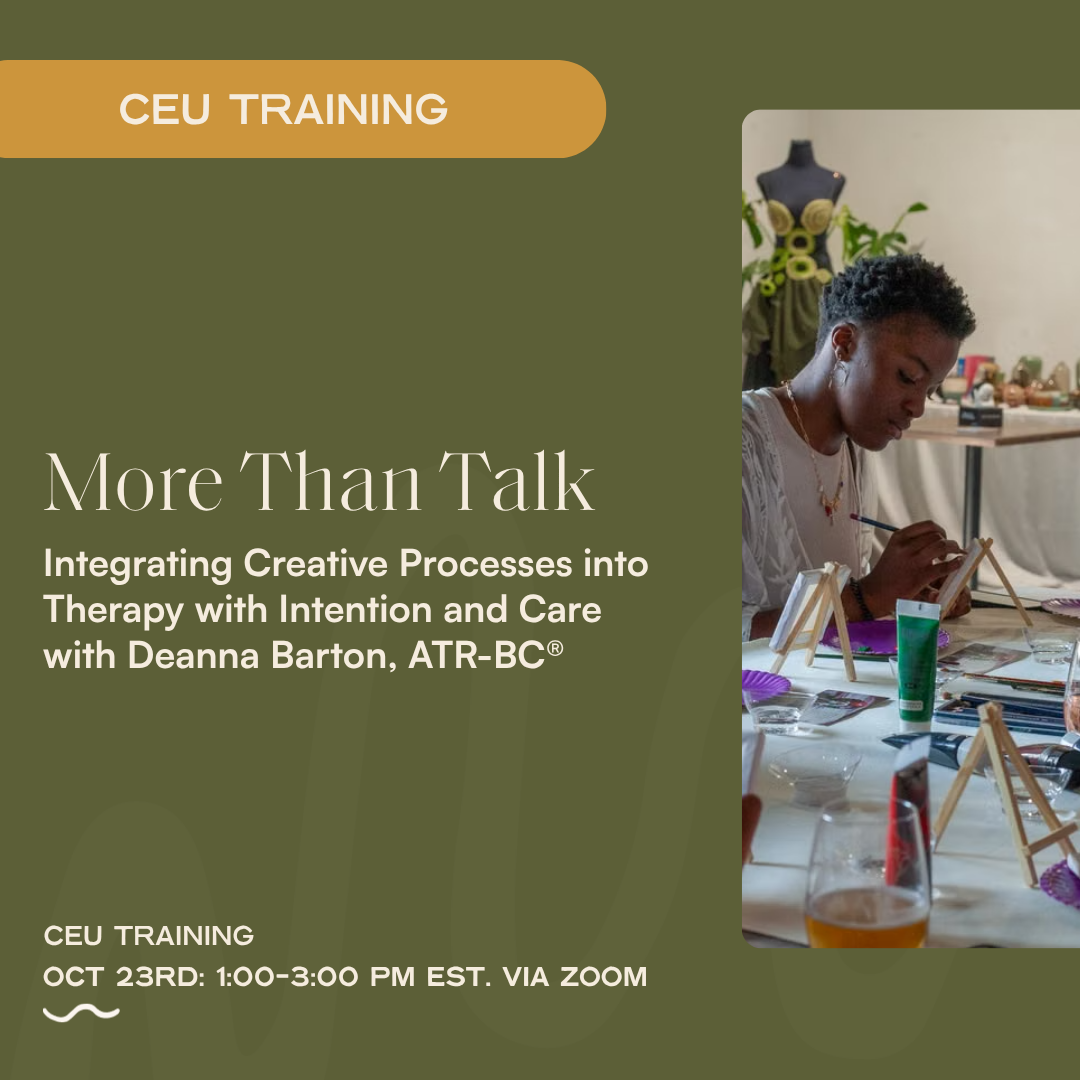
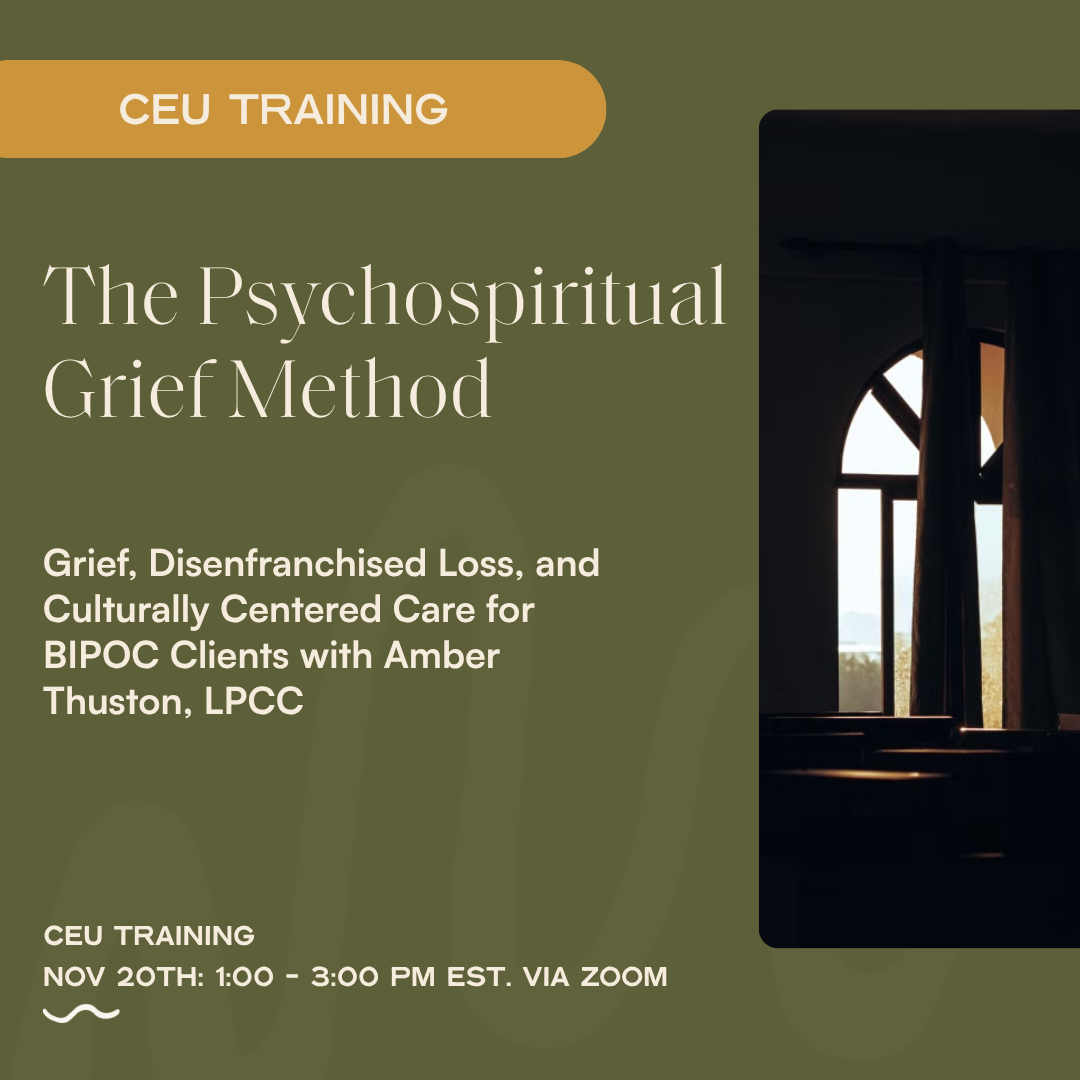
NEW Courses Available on demand:
Additional Services
Community Care
Stay Connected
P.S. — I run Cultivating Healers on ClickUp. If you want to try it, here's my referral link (we both get a little something if you sign up).
October 9th 1:00-3:00pm EST, conducted online via Zoom
Obsessive-compulsive Disorder (OCD) is a chronic, debilitating mental health disorder that can cause notable distress and impairments in important areas of functioning (Yan et. al., 2022; Rudrabhatla et. al., 2024). OCD is linked to significant disability worldwide, and related disorders (e.g., trichotillomania/hair-pulling, excoriation/skin-picking) often go underdiagnosed and undertreated (Singh, Anjankar, & Sapkale, 2023). The positive effects of cognitive-behavioral interventions, particularly exposure and response prevention (ERP), for OCD are among the most consistent research findings in the mental health literature (Abramowitz et al., 2018). Treatments such as Acceptance and Commitment Therapy (ACT), a third-generation cognitive behavioral therapy (CBT), have also been found to reduce OCD symptoms and improve functioning among those managing OCD symptoms (Soondrum et al., 2022). Nonetheless, many individuals experience residual symptoms, and others never receive adequate treatment due to identifiable barriers to access to care (Abramowitz et al., 2018). This course offers an in-depth look into the conceptualization, assessment, and diagnosis of obsessive-compulsive disorder. Participants will gain a deeper understanding in how to: 1) conceptualize OCD based on Diagnostic and Statistical Manual of Mental Disorders, 5th Edition (DSM-5) criteria; 2) assess OCD using formal assessment and clinical interviewing; and 3) identify evidence-based treatments use to reduce OCD symptoms and improve functioning. Psychopharmacological interventions will also be explored, and case examples will be provided to further support participant’s understanding of how to diagnose and conceptualize the treatment of OCD.
This is an advanced level training, we recommend taking our beginner level training, Understanding OCD if you have never received training on OCD prior. Use code: BUNDLE10 for a 10% discount.
Learning Objectives:
Define the diagnostic criteria needed to anchor an OCD diagnosis from a culturally informed lens
Identify formal assessments and clinical interviewing skills used in the assessment and diagnosis of OCD
Identify evidence-based treatments for OCD
Cultivating Healers seeks to provide educational and engaging CEUs with liberatory information, pop-quizzes, and case studies to ensure your learning.
This training is eligible for 2 Continuing Education Credits for NBCC Counselors & NY LMHCs, LCSWs, LMSWs, LMFTs, LCATs, and Art Therapists. Cultivating Healers is approved by the American Psychological Association (APA) to sponsor continuing education for psychologists.