

CEU Training
Understanding OCD: Myths, Realities, and Culturally Informed Treatment Options
About this course
Gain an in-depth overview of obsessive-compulsive disorder (OCD) and culturally informed treatment options.
Course Details
Pre-recorded lessons with case studies, quizzes, and a final course evaluation.
This training is eligible for 2 Continuing Education Credits for Psychologists, LMHCs, LCSWs, LMSWs, LMFTs, LCATs, and Art Therapists and must be completed within 30 days of purchase to receive credit.
$89.99
There is a public misconception that obsessive-compulsive disorder (OCD) is a silly personality trait or preference, or a taboo disorder that only affects a few people.
These misconceptions are often strengthened by stereotypical presentations portrayed in the media; the quirky person who cleans excessively, or the friend who just happens to wash their hands too much. These misrepresentations of OCD only fuel the spread of misinformation, and further contribute to the stigma that surrounds OCD. OCD is a chronic, debilitating mental health disorder that can cause notable distress and impairments in important areas of functioning (Yan et. al., 2022; Rudrabhatla et. al., 2024).
Research indicates that the lifetime prevalence of OCD is between 1% to 3% of the population (Yan et. al., 2022). Cognitive-Behavioral Therapy (CBT) with Exposure and Response Prevention (ERP) is recommended as the first-line, “gold standard” treatment for OCD (Mao et. al., 2022; Yan et. al., 2022). Unfortunately, ERP is routinely underutilized in clinical settings (Rudrabhatla et al., 2024).
Further, individuals who hold identities that are systematically oppressed and marginalized, and those who reside in low- and middle- income countries, are at an even higher risk of not receiving ERP (Rudrabhatla et al., 2024; Stein et. al., 2025).
This course offers an in-depth overview of obsessive-compulsive disorder (OCD) and culturally informed treatment options.
Participants will gain a deeper understanding in how to:
Define OCD based on Diagnostic and Statistical Manual of Mental Disorders, 5th Edition (DSM-5) criteria;
Diagnose OCD with special consideration to differential diagnosis;
Recognize common and uncommon symptoms/presentations;
Conceptualize and apply evidence-based modalities in the treatment of OCD
Improve cultural competency in the treatment of OCD.
Psychopharmacological interventions will also be explored, and case examples will be provided to further support participant’s understanding of how to diagnose and conceptualize the treatment of OCD.

Learning Objectives
Define OCD and clarify misconceptions

Explain the importance of cultural competency in the treatment of OCD
Identify evidence-based treatments for OCD
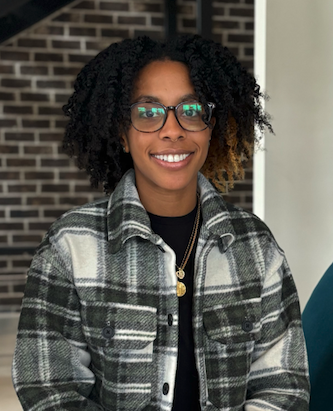
Meet Your Instructor
Dr. Brianna Allen
Dr. Brianna Allen is a Licensed Clinical Psychologist and Health Service Psychologist serving residents of Florida and North Carolina. She specializes in treating obsessive-compulsive disorder (OCD) and related disorders (e.g., trichotillomania/hair-pulling, excoriation/skin-picking), anxiety disorders, tics and Tourette Disorder, depression, and LGBTQ+ concerns. Dr. Allen earned her Master of Arts (MA) in Clinical Psychology from the University of Hartford, and her Doctor of Psychology (PsyD) in Clinical Psychology from Georgia Southern University.
Throughout her clinical practice she has provided services to individuals, groups, and families in a variety of healthcare settings, and to diverse individuals across the lifespan. When Dr. Allen is not engaging with research, clinical practice, or advocacy, she enjoys spending time with friends and family, playing with her rescue dog Leo, and traveling.

CEU License
Kenya Crawford, LMHC is recognized by the New York State Education Department's State Board for Mental Health Practitioners as an approved provider of continuing education for licensed mental health counselors. #MHC-0269. Kenya Crawford, LMHC is recognized by the New York State Education Department's State Board for Social Work as an approved provider of continuing education for licensed social workers. #SW-0736. Kenya Crawford, LMHC is recognized by the New York State Education Department's State Board for Mental Health Practitioners as an approved provider of continuing education for licensed marriage and family therapists. #MFT-0151. Kenya Crawford, LMHC is recognized by the New York State Education Department's State Board for Mental Health Practitioners as an approved provider of continuing education for licensed creative arts therapists. #CAT-0132.
Kenya Crawford has been approved by NBCC as an Approved Continuing Education Provider, ACEP No. 7470. Programs that do not qualify for NBCC credit are clearly identified. Kenya Crawford is solely responsible for all aspects of the programs.
Cultivating Healers is approved by the American Psychological Association (APA) to sponsor continuing education for psychologists. Cultivating Healers maintains responsibility for this program and its content.
Kenya Crawford, LMHC is recognized by the Art Therapy Credentials Board (ATCB) as an Authorized Continuing Education Provider for art therapists. Provider ID: 63628089.
