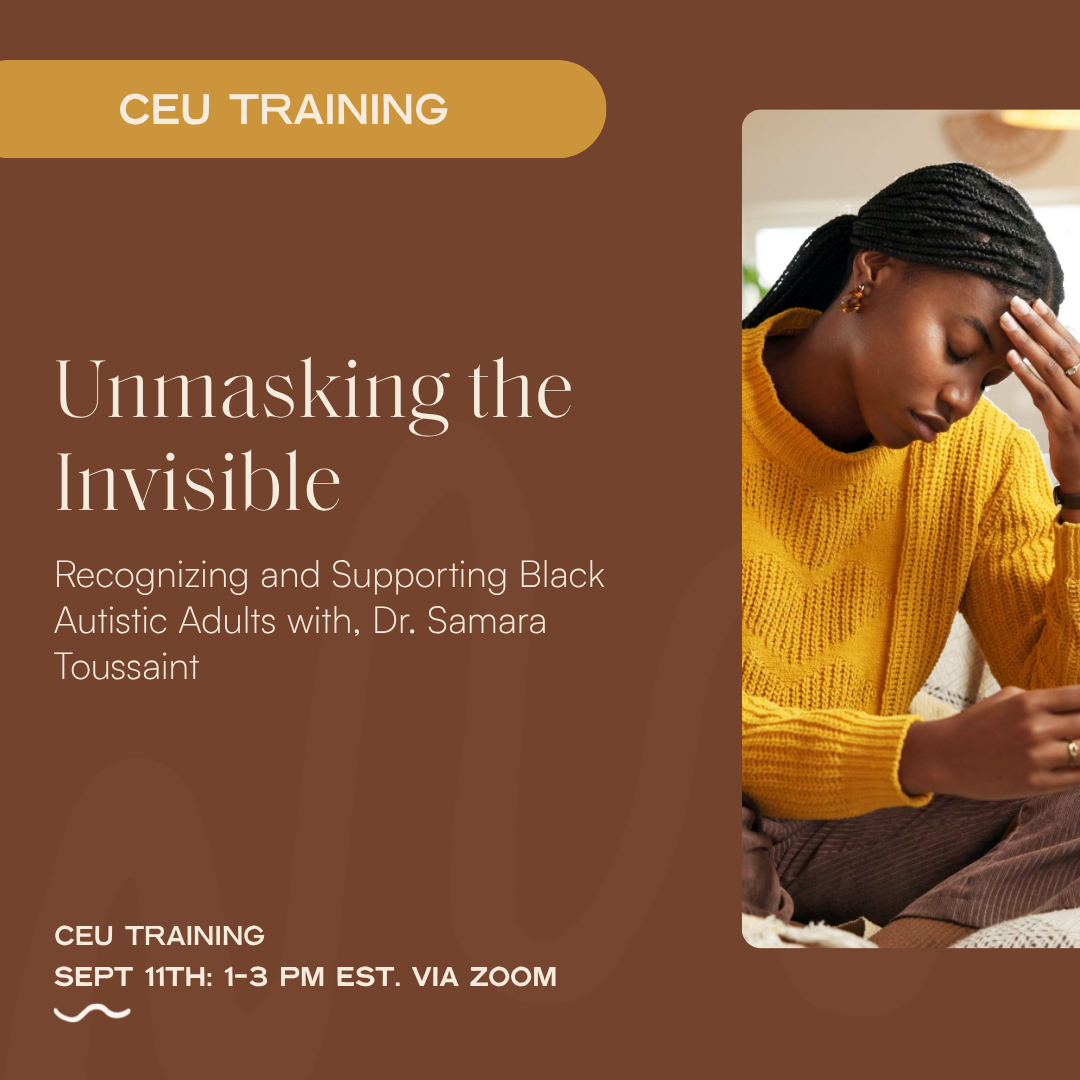
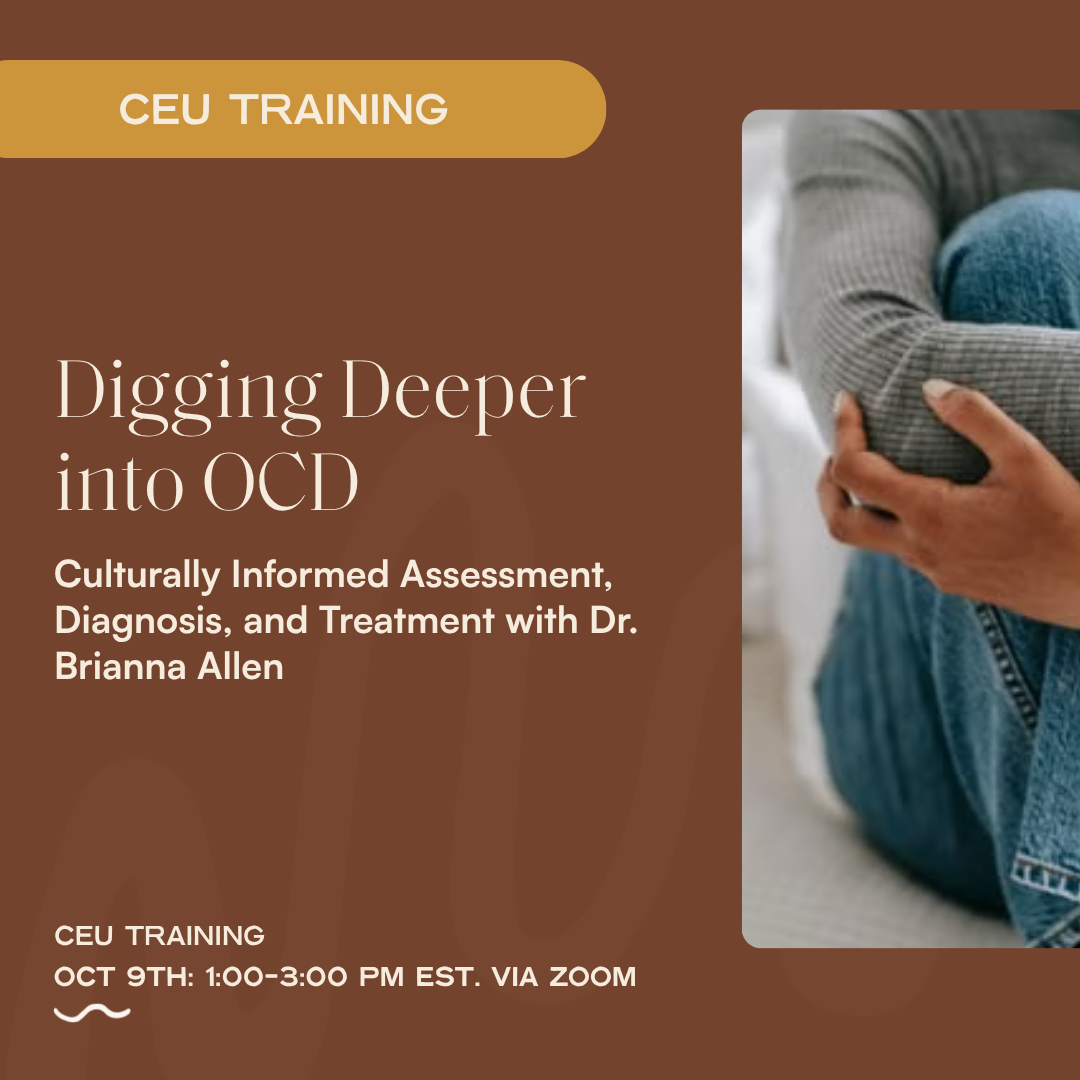
 Image 1 of 2
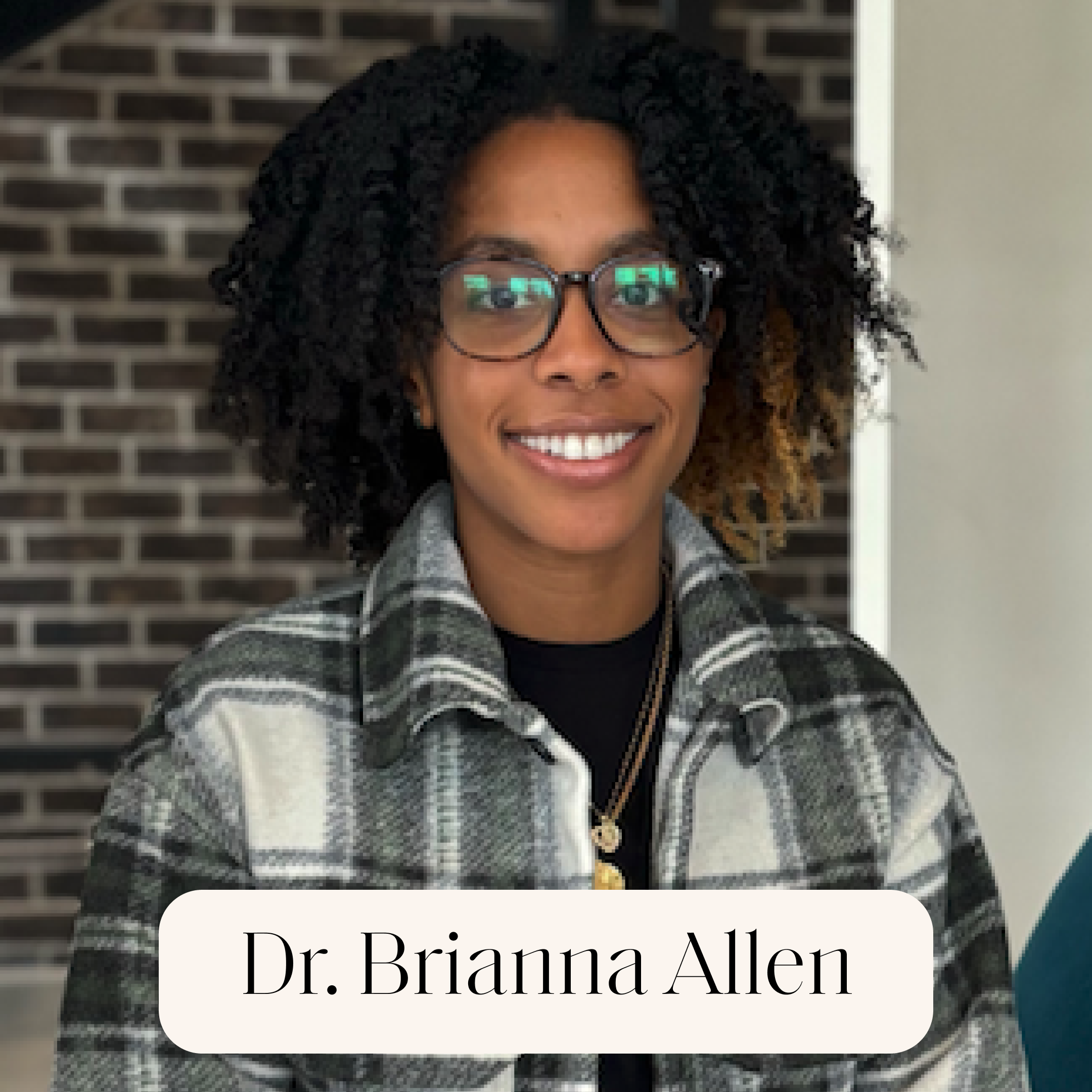 Image 2 of 2
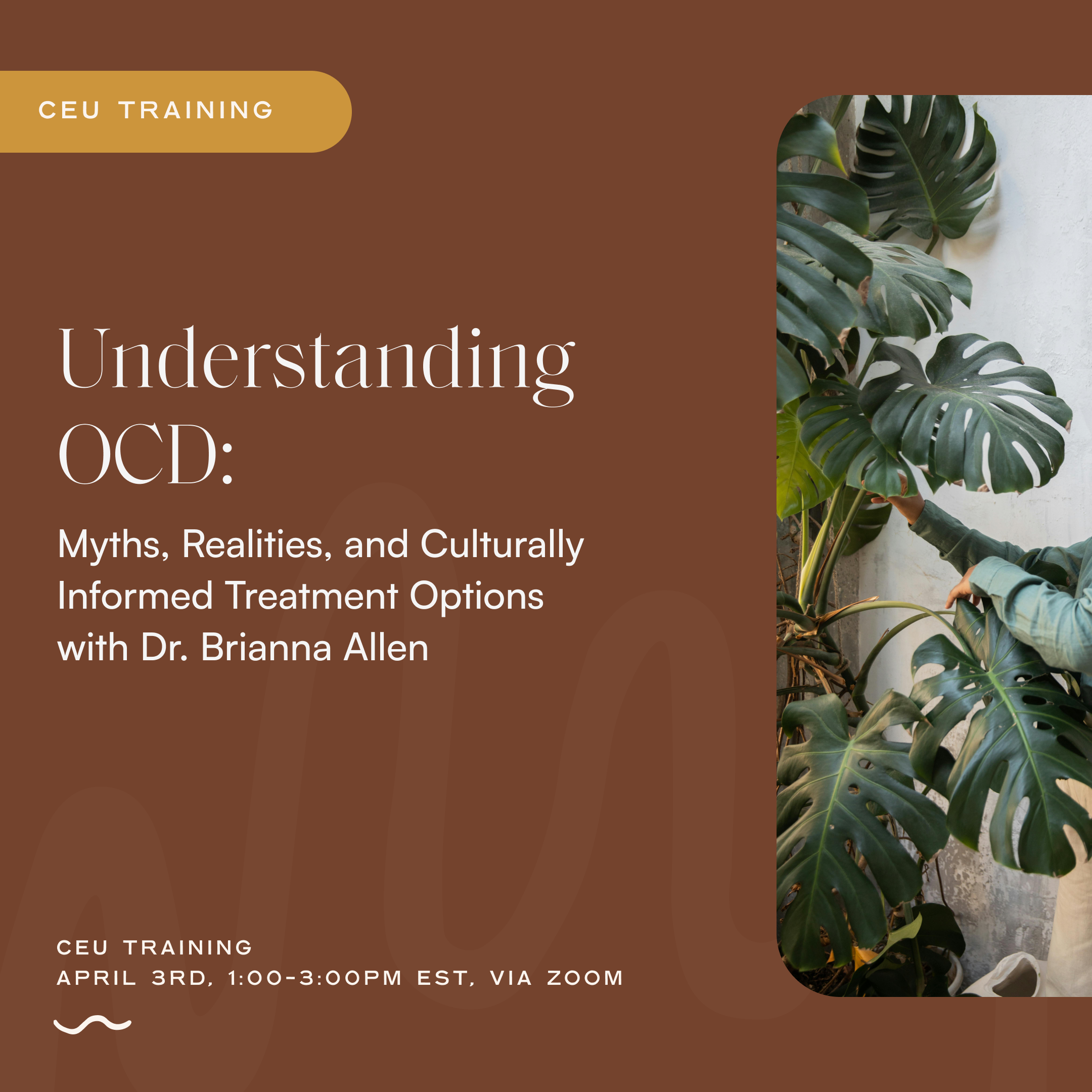
Understanding OCD: Myths, Realities, and Culturally Informed Treatment Options
-
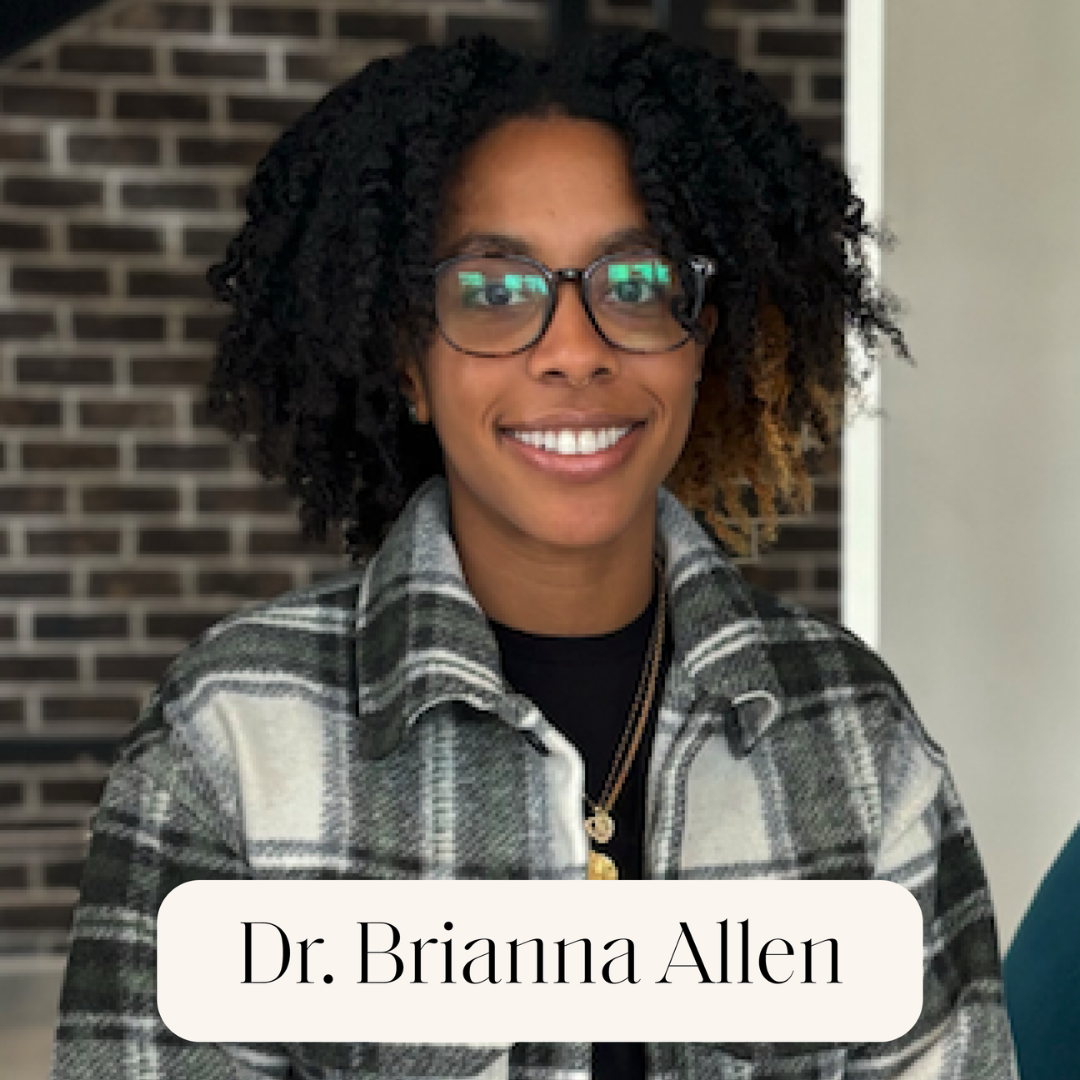
Dr. Brianna Allen is a Licensed Clinical Psychologist and Health Service Psychologist serving residents of Florida and North Carolina. She specializes in treating obsessive-compulsive disorder (OCD) and related disorders (e.g., trichotillomania/hair-pulling, excoriation/skin-picking), anxiety disorders, tics and Tourette Disorder, depression, and LGBTQ+ concerns. Dr. Allen earned her Master of Arts (MA) in Clinical Psychology from the University of Hartford, and her Doctor of Psychology (PsyD) in Clinical Psychology from Georgia Southern University. Throughout her clinical practice she has provided services to individuals, groups, and families in a variety of healthcare settings, and to diverse individuals across the lifespan. When Dr. Allen is not engaging with research, clinical practice, or advocacy, she enjoys spending time with friends and family, playing with her rescue dog Leo, and traveling.
-
Mao, L., Hu, M., Luo, L., Wu, Y., Lu, Z., & Zou, J. (2022). The effectiveness of exposure and response prevention combined with pharmacotherapy for obsessive-compulsive disorder: A systematic review and meta-analysis. Frontiers in psychiatry, 13, 973838. Rudrabhatla, A., Flowers, S., Becker-Haimes, E. M., & Sanchez, A. L. (2024). Centering equity in the implementation of exposure and response prevention for pediatric OCD: current evidence and future directions. Current Developmental Disorders Reports, 11(4), 195-205. Stein, D.J., Ruscio, A.M., Altwaijri, Y. et al. Obsessive-compulsive disorder in the World Mental Health surveys. BMC Med 23, 416 (2025). https://doi.org/10.1186/s12916-025-04209-5 Williams, M. T., Rouleau, T. M., La Torre, J. T., & Sharif, N. (2020). Cultural competency in the treatment of obsessive-compulsive disorder: practitioner guidelines. The Cognitive Behaviour Therapist, 13, e48. Yan, J., Cui, L., Wang, M., Cui, Y., & Li, Y. (2022). The efficacy and neural correlates of ERP-based therapy for OCD & TS: a systematic review and Meta-analysis. Journal of Integrative Neuroscience, 21(3), 97.
-
Kenya Crawford, LMHC is recognized by the New York State Education Department's State Board for Mental Health Practitioners as an approved provider of continuing education for licensed mental health counselors. #MHC-0269. Kenya Crawford, LMHC is recognized by the New York State Education Department's State Board for Social Work as an approved provider of continuing education for licensed social workers #SW-0736.
Kenya Crawford, LLC has been approved by NBCC as an Approved Continuing Education Provider, ACEP No. 7470.
Cultivating Healers is approved by the American Psychological Association (APA) to sponsor continuing education for psychologists. Cultivating Healers maintains responsibility for this program and its content.
What if my profession isn’t listed?
If your profession isn’t specifically mentioned, you may still be eligible to claim reciprocity for CEUs if your accrediting body recognizes credits from any of the boards listed above.
-
If you are no longer able to attend a scheduled training or group session, you may request a one-time transfer to a future session of the same group or training.
To request a transfer: Email info@kenyacrawford.com with your name, order confirmation number, and the session you originally registered for. Indicate which future session you would like to transfer your confirmation to. Requests must be made at least 48 hours before the session start date to be eligible for transfer.
Transfers are subject to availability and must be used within six months of the original purchase date. For any additional questions regarding this policy, please contact us at info@kenyacrawford.com
-
Due to the nature of this product, all sales are final and we are unable to offer refunds. If you are no longer able to attend a group, email us at info@kenyacrawford.com and we can transfer your confirmation to the following group.